Each year, I review the Environmental Working Group’s Shopper’s Guide to Pesticides in Produce, because it helps me make wiser choices at the grocery store. While fruits and vegetables are essential for good health, not all produce carries the same level of pesticide exposure, and this is vital for us to understand.
We don’t have to buy everything organic to protect our health. With a little knowledge, we can guard our bodies and budget.
What Is the Dirty Dozen?
The Dirty Dozen highlights the 12 fruits and vegetables with the highest pesticide residues based on USDA testing of over 50,000 samples. Researchers found pesticide residues on 96 percent of samples from this list, with many containing multiple chemicals—even after washing.
In 2026, these are the foods you should prioritize buying organic when possible:
The Dirty Dozen (2026)
- Spinach
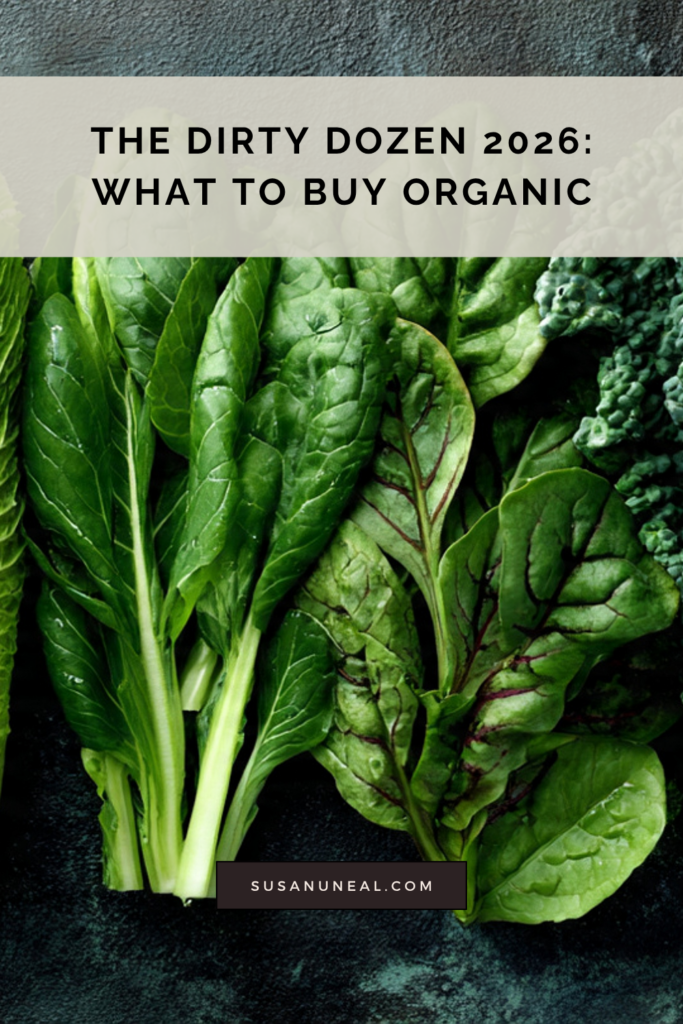
- Kale, collard, and mustard greens
- Strawberries
- Grapes
- Nectarines
- Peaches
- Cherries
- Apples
- Blackberries
- Pears
- Potatoes
- Blueberries
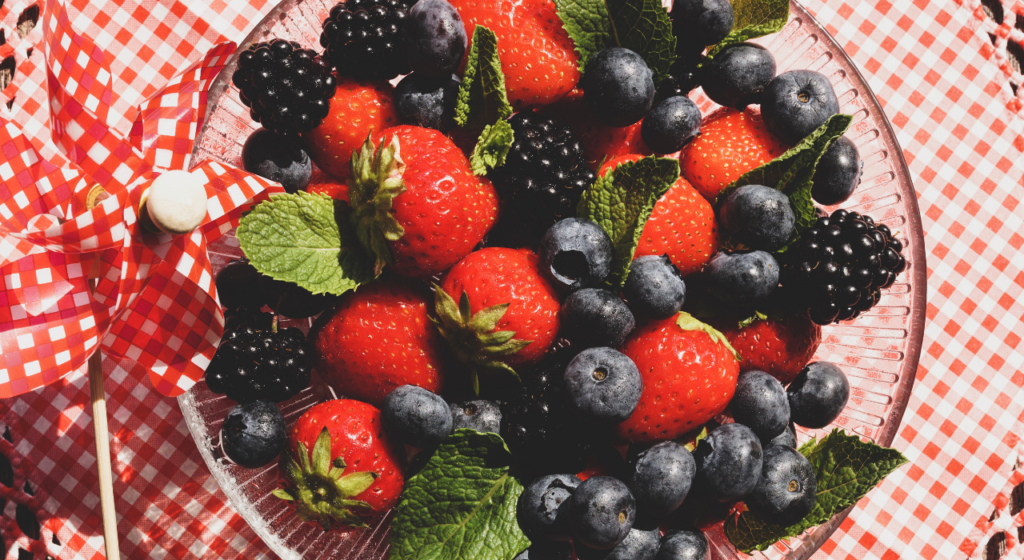
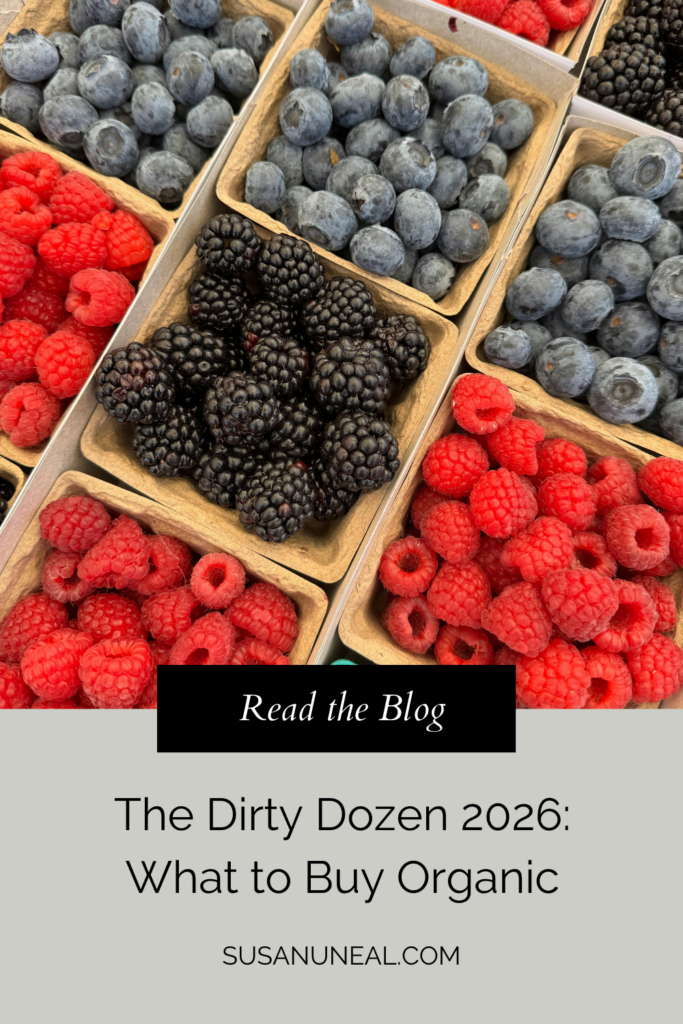
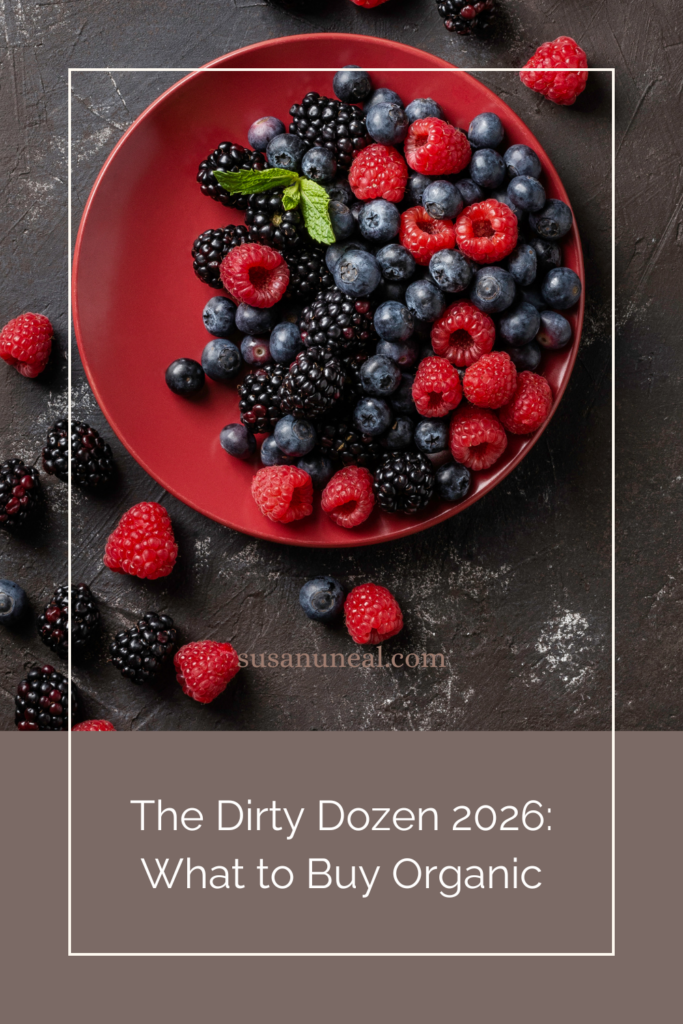
Spinach once again tops the list, with more pesticide residue by weight than any other produce tested. (EWG) What was most surprising to me is the addition of blackberries and blueberries. Now I need to buy these berries organic, where previously I did not need to do. That fact is extremely important to my health, as eat a lot of them.
Also, be aware that grapes are on this list. Therefore, I do not purchase wine from the United States because I do not want to be drinking pesticides.
What Is the Clean Fifteen?
The Clean Fifteen includes produce with the lowest pesticide residues—even when conventionally grown. These are generally safe to purchase non-organic.
The Clean Fifteen (2026)
- Pineapples
- Sweet corn (fresh and frozen)
- Avocados
- Papaya
- Onions
- Sweet peas (frozen)
- Asparagus
- Cabbage
- Cauliflower
- Watermelon
- Mangoes
- Bananas
- Carrots
- Mushrooms
- Kiwi
Nearly 60 percent of these foods had no detectable pesticide residues, making them a great place to save money.
How to Apply This in Your Daily Life
The Dirty Dozen and Clean Fifteen are tools—not rules that help us:
- Reduce pesticide exposure
- Spend our food budget wisely
- Make confident, healthy choices
Above all, remember that eating fruits and vegetables—organic or not—is one of the best things we can do for our health. Here is a simple, practical approach to apply:
1. Prioritize Organic for the Dirty Dozen: If your budget allows, focus here first, especially for foods you eat frequently or raw.
2. Save Money with the Clean Fifteen: Buy these conventionally grown without worry.
3. Wash All Produce Well: Rinsing under water helps reduce surface residues.
God provided nourishing foods from the earth to sustain and heal our bodies. While modern agriculture introduces challenges, we can still make wise, informed decisions. When you choose whole, nourishing foods and care for your body, you are honoring the gift God has given you.
About the Author
Susan Neal, as an RN with an MBA and masters in health science, combines her passion for health and her faith to guide others toward wellness. She is a certified Christian Health & Wellness Coach. As an award-winning author of nine books including the bestseller 7 Steps to Get Off Sugar and Carbohydrates she inspires others to improve their health. Her most recent publication, 12 Ways to Age Gracefully: How to Look and Feel Younger, uplifts the health of the senior Christian community. Her children’s book, Eat God’s Food, further extends her mission. Visit SusanUNeal.com for her insights and coaching.
