Effective Self-Care Strategies to Empower Female Survivors of Trauma and Abuse to Reduce Anxiety and Move Forward with Confidence

If you are a survivor of trauma or abuse, you may feel overwhelmed by your experiences. You may also be unsure of how to effectively cope with the intense anxiety, depression, or anger that intrudes into your heart and mind. Fortunately, there are many ways that you can learn to manage your emotions and develop healthy coping skills. These self-care strategies can help you feel more in control of your life. As you learn to process some of your intense emotions, you can begin to build your self-confidence and move beyond the trauma.


Don’t Let Binge Eating Take Control of Your Life

Do you binge eat? If you find that you have great difficulty controlling the amount of food you consume, you may have a problem with binge eating. But you are not alone. According to Healthline, almost three million people in the United States deal with binge-eating disorder.[1] Binge eating ruins your relationship with food and negatively affects your livelihood. Having a healthy relationship with food is important not only for your physical well-being, but also for your spiritual health.

Planning to Improve Your Menstrual Cycle

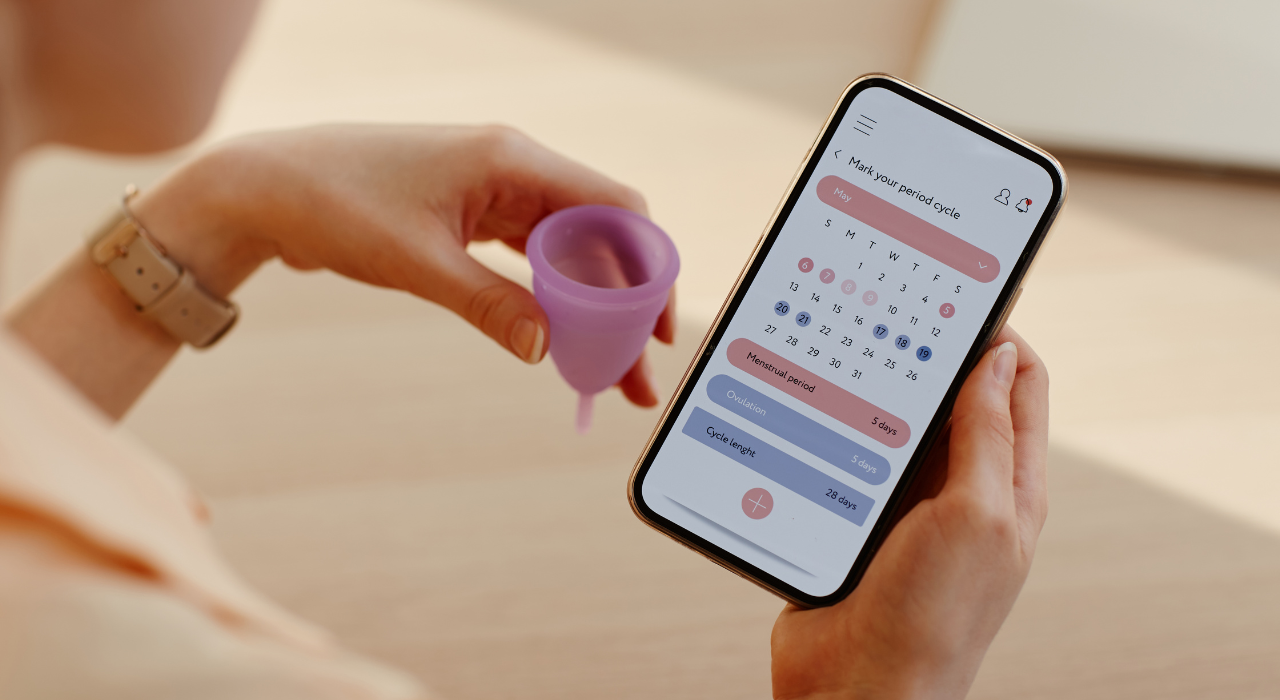
Do you suffer from debilitating cramps and other period symptoms? I, like many women, have noticed how badly I am affected by my menstrual cycle. In high school, I would hear other girls who said they didn’t have cramps or that their period didn’t bother them, and I was overcome with jealousy. My cramps would leave me curled up in my bed, sometimes dizzy and nauseated. I could not handle living like that forever, so I began to research things to help. I discovered a wealth of information not only on alleviating menstruation symptoms but also on how to maintain balance during other phases of my cycle. As I began implementing a few of these practices, I could tell even the smallest changes in my lifestyle helped improve my symptoms.