When we think about making changes for a healthier lifestyle, most of us probably consider diet and exercise. That was my focus for most of my adult life. I was all about burning calories and increasing muscle strength. Total transparency? My only concern was maintaining my weight—or losing weight. I grew up with an unhealthy body image (as many women do), and I had tunnel vision.
What I’ve learned since then is that spinal health is one of the key components of overall fitness. How often do we consider our spine unless we experience inflammation?

The first time I walked into a chiropractic office, I had tweaked my back. That’s what happens when you don’t lift weights with proper form. Chiropractors are back doctors, right? It wasn’t until I dated (and later married) a chiropractor that I learned what many don’t know—their primary concern is the nervous system, which is improved by keeping the spine aligned.
A quick lesson here: The brain controls the body’s functions—movement, blood flow, and response to the environment—and it connects to our body via the spinal cord (the central nervous system), which is encased by bone (skull and vertebrae) for good reason; it’s extremely fragile.
Are you still with me?
Different stressors to our central nervous system can affect the quality of our health, thereby affecting the quality of our lives.
The central nervous system connects to every organ, tissue, blood vessel, etc., through the peripheral nervous system. The peripheral nervous system connects the spinal cord and brain to the body. Information continually goes from the brain to the body and the body to the brain to keep things functioning the way God designed.
The central nervous system is like an information super-highway. As you can imagine, anything that interferes with how this system functions can be problematic. There are some factors that are out of our control such as birth defects, toxins, genetics, and environmental issues such as pollution.
However, according to the World Health Organization, 60 percent of our lifestyle choices affect the outcome of our health. By far, those that create negative stressors have the greatest impact on our well-being.
So, let’s talk about stressors since there is no avoiding them. They fall into three general categories: physical, chemical, and emotional. Believe it or not, some stress is good. For example, short-term physical stress helps us grow muscles. But since this is a blog post and not a book, I’m going to focus only on the bad stress and how we can minimize it.
Physical
1. Posture.
Did you know your head weighs as much as a bowling ball? Bad posture is like continually carrying one of these bad boys at chest level throughout the day. Proper posture means your vertebrae (bones of the spine) are aligned, which improves neurological functionality. How do we help this along?
Phone Posture. Consider how much time you look down while flipping through your cell phone. Try holding your phone at eye level to ease the strain on your neck. I didn’t grow up with cell phones, but I spent most of my childhood with my nose in a book. Same outcome. When the curve of our neck is compromised, so is our central nervous system.
Desk Posture. If you work at a desk all day (like I do) set a timer to remind yourself to get up and move around every fifty minutes or so. I was motivated to do this when I learned that sitting is the new smoking regarding our health. Yikes!
Sleep Posture. Given how much time we spend in bed, consider your sleeping posture. Sleeping on your back is best for the spine, organs, and even facial wrinkles. If you’re a side-sleeper, make sure you use a pillow to keep your neck aligned and another between your legs to keep your hips aligned. Sleeping on your stomach is the worst position for spinal alignment and health.
Backpack Posture. Heavy backpacks (and even purses) put a tremendous strain on the vertebrae. Many kids haul their schoolbooks around on their backs all day. Roller bags might not be as cool, but poor posture isn’t attractive, either.
2. Flexibility.
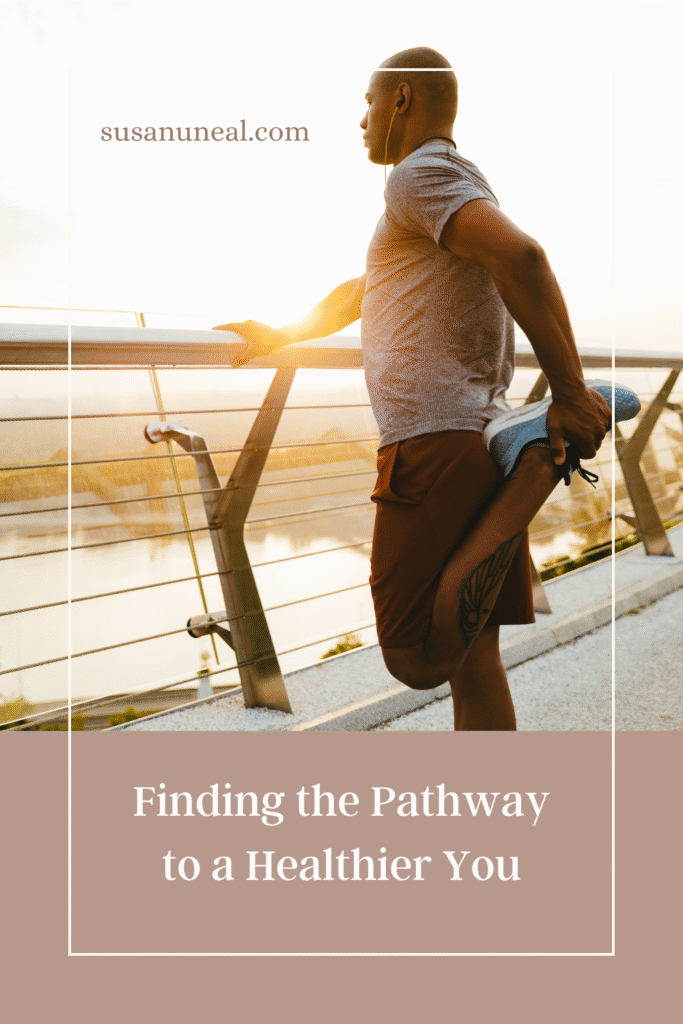
Stretching. You’ve heard the saying, “If you don’t use it, you lose it.” When our muscles get tight, blood flow decreases, and that information super-highway gets sluggish. It’s like commute traffic in Nashville. Find a series of stretches that work both the upper and lower body.
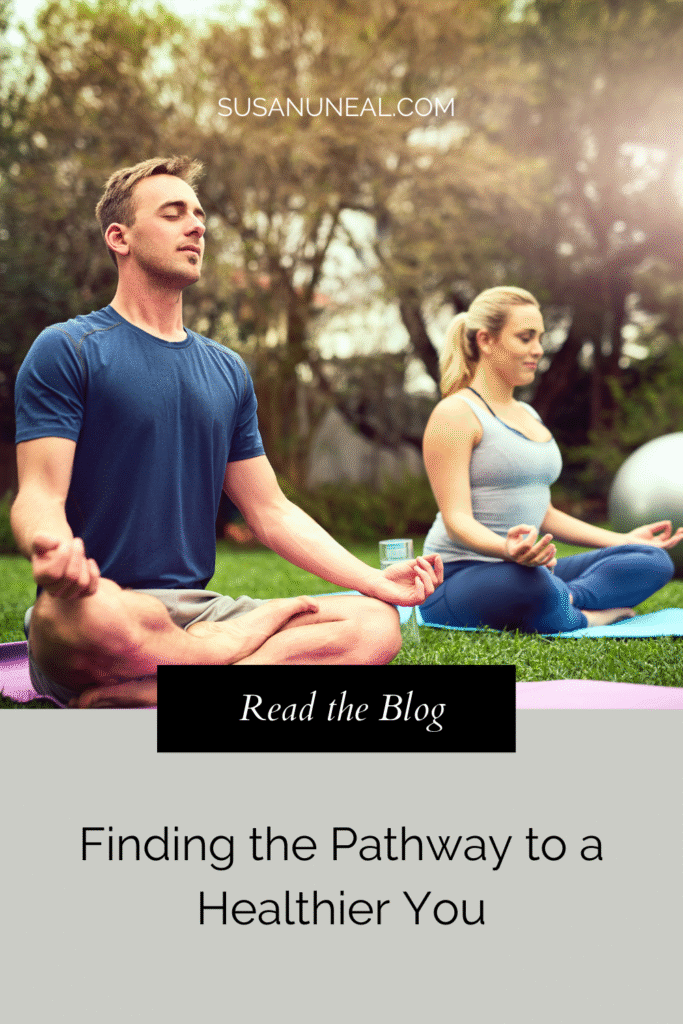
Yoga. Yoga is a great way to increase flexibility and balance. The older we get, the more critical this becomes.
Hydration. Drink lots of water. It’s important to keep those muscles hydrated. At least half your body weight in ounces is recommended. This means if you’re 120 pounds, you should drink at least 60 ounces of water every day. And if you consume a lot of caffeine (which is dehydrating), you need to increase your water intake.
3. Strength.
Weightlifting. Consider weightlifting to increase muscle mass, symmetry, and strength. Correct form is critical to avoid injury.
Core Exercises. A strong core is essential to keeping your spine aligned. It decreases strain on the back and is much more attractive than a big belly. Implement crunches, planks, reverse crunches, and/or Russian twists in your workout routine.

Chemical
1. Proper Nutrition.
Nutritious Diet. If you are deficient in vitamins, nutrients, and essential fatty acids, it affects how the neurotransmitters (the vehicles on that super-highway) respond. Consuming a low-sugar, low-carb diet of fish, vegetables, fruits, and healthy fats yields the best results for a healthy lifestyle.
Supplements. It’s best to get nutrients through a healthy diet, but it’s not always possible. Doctor-recommended supplemental vitamins and minerals may be one way to boost needed nutrients.
2. Toxins.
Smoking. In case you haven’t heard, smoking is hazardous to our health. Since we take in environmental toxins for which we have little control, we should minimize what we can. You may not be aware, but smoking decreases the oxygen to the discs in our vertebrae, which can lead to degeneration of the spine.
Cleaning Products. Many household cleaners have been linked to brain health risks. Finding toxic-free cleaners or switching to soap and water is a safer alternative. Distilled vinegar and baking soda work well on any tough grime I need to tackle.
Pesticides. Organic foods may be on the pricey side, but consider the pesticides used in our produce. You can pay at the grocery store or at the medical clinic. It may be cliché, but an ounce of prevention is worth a pound of cure. The Environmental Working Group (EWG) has a list of “The Dirty Dozen” fruits and vegetables to avoid.
Emotional
1. Mental Stress.
Mental stress can easily lead to physiological issues such as increased heart rate and blood pressure. It can also trigger the “fight or flight” response, which is good for short-term survival, but it puts a kink in the central nervous system when long term.
Pray. Prayer is my first go-to response when I’m under mental stress. It helps me get back on track and develop a grateful attitude.
Exercise. Exercise is another great way to decrease stress. A 30-minute walk increases the serotonin (feel-good hormone) and stops my mind from spiraling. And if I can do it outside in the sun rather than on my treadmill, all the better.
Find your joy. What activities put a smile on your face? Spending time with friends or loved ones is one way to achieve this. Do you have a pet? According to an article in Johns Hopkins Medicine, petting a dog decreases cortisol, the stress hormone.
Talk to a trusted friend. When I share what is on my heart with my husband, it allows me to let it go. And I know he will be praying me through it.
2. Hormones.
Hormonal changes can impact emotional health (brain stress again) whether you’re thirteen, thirty, or sixty. We cannot escape the inevitable.
Sleep. Getting enough sleep may seem impossible whether the change is caused by having a baby or going through menopause, but it’s an essential component for recharging the body and mind. Even a 30-minute power nap can work wonders.
Diet. A healthy diet that includes anti-inflammatory foods can help to regulate hormones while a diet high in added sugar, caffeine, and unhealthy fats can have an adverse effect. Consider switching out that candy bar for berries and nuts. Maybe order that salmon fillet instead of a cheeseburger. Healthy fats like avocadoes and dark chocolate are tasty.
Exercise. Are you seeing a pattern here? It is an essential component to any stress whether it’s physical, chemical, or emotional.
Laugh. Find your funny bone. Laughter truly is the best medicine. I discovered watching a movie that has me in stitches makes everything lighter.
As I shared at the beginning of this post, it was back pain that motivated me to seek treatment for my spine. At the time, I was a middle school teacher stuck in a classroom with kids all day. You can imagine how it taxed my immune system. I would recover from one cold to get hit with another within a couple of weeks.
It wasn’t until I’d been under chiropractic care for several months that I realized this was no longer the case. A healthier central nervous system boosted my immune system, as well. Chronic colds decreased to occasional, and that continued to improve over time.
When that information super-highway is working at peak performance, so are we. I hope the information I’ve shared here helps you on a pathway to a healthier year.
Author Bio
Award-winning author Jennifer Sienes is college-educated, but discovered life-experience is the best teacher. She loves Jesus, romance, and writing—and puts it all together in inspirational contemporary fiction/romance. Her Apple Hill Series takes place in Northern California, and her Southern Fiction Bedford County Series and Norfolk Southern Series are set in Tennessee where she now resides. You can connect with Jennifer via her website where you can access her book links, weekly blog posts, and Between the Lines of Christian Fiction podcast.